Destination guide
Iceland trip planner
Fire and ice: waterfalls, glaciers, volcanoes, and the world's most dramatic road trip.
Iceland feels like another planet. One moment you're driving past moss-covered lava fields, the next you're standing at the base of a 60-meter waterfall or walking across a glacier carved from ancient ice. The country's compact size makes it perfect for a focused road trip: the Golden Circle and South Coast can fill a week, while the full Ring Road rewards two weeks of slow travel. Summer brings long days, green highlands, and puffins. Winter turns the landscape into a snow-covered theater for the Northern Lights, ice caves, and steaming geothermal lagoons.
Canonical: https://haienaplan.com/destinations/iceland
Best time to visit
Jun–Aug for hiking and Highlands; Oct–Mar for auroras and ice caves; Apr–May and Sep for quieter travel
Currency
Icelandic Króna (ISK / kr)
Language
Icelandic — English widely spoken
Top experiences in Iceland
Golden Circle
The classic day trip from Reykjavík covers Þingvellir National Park (where the tectonic plates drift apart), the erupting Strokkur geyser at Geysir, and the thundering Gullfoss waterfall. Go early or late to avoid the biggest tour-bus crowds.
South Coast
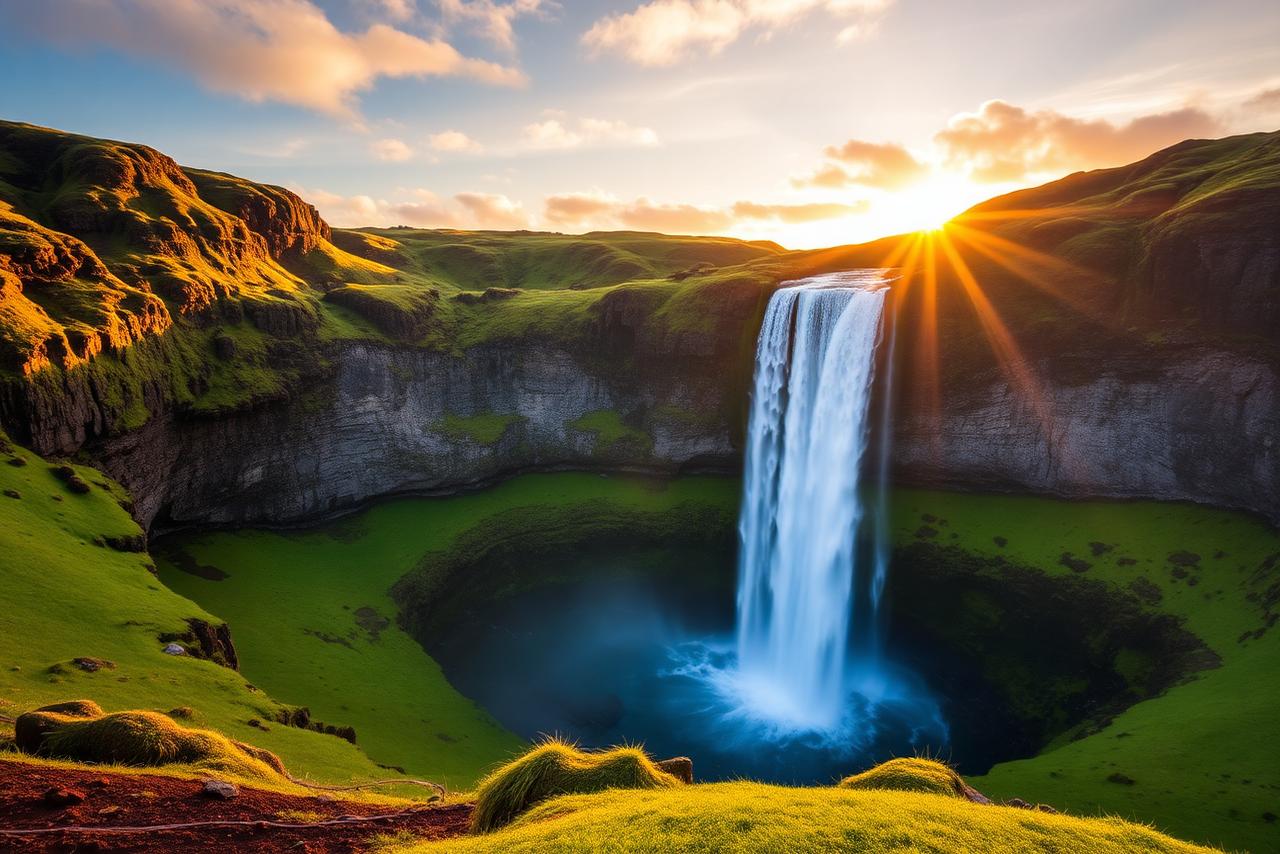
Seljalandsfoss (the waterfall you can walk behind), Skógafoss, the basalt columns of Reynisfjara black beach, and the glacier lagoons of Vatnajökull. This is where Iceland's most famous postcard scenes live.
Jökulsárlón & Diamond Beach
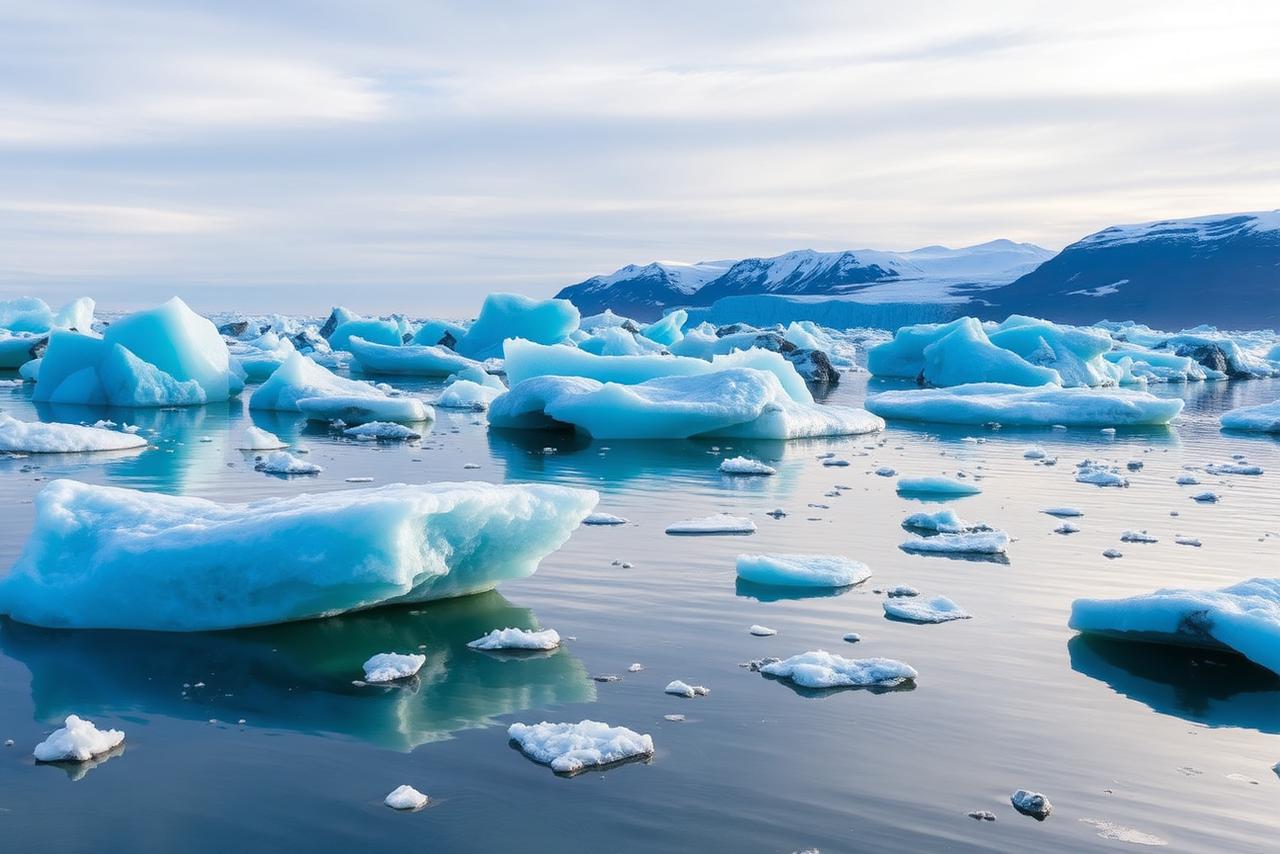
Icebergs calve from Breiðamerkurjökull glacier and float across a lagoon before washing ashore as crystal-clear blocks on the black sand. Sunrise here is unforgettable.
Blue Lagoon & Sky Lagoon
The Blue Lagoon is the famous one — milky-blue silica water in a lava field. Sky Lagoon, closer to Reykjavík, pairs a geothermal infinity pool with an ocean view and a seven-step ritual.
Northern Lights
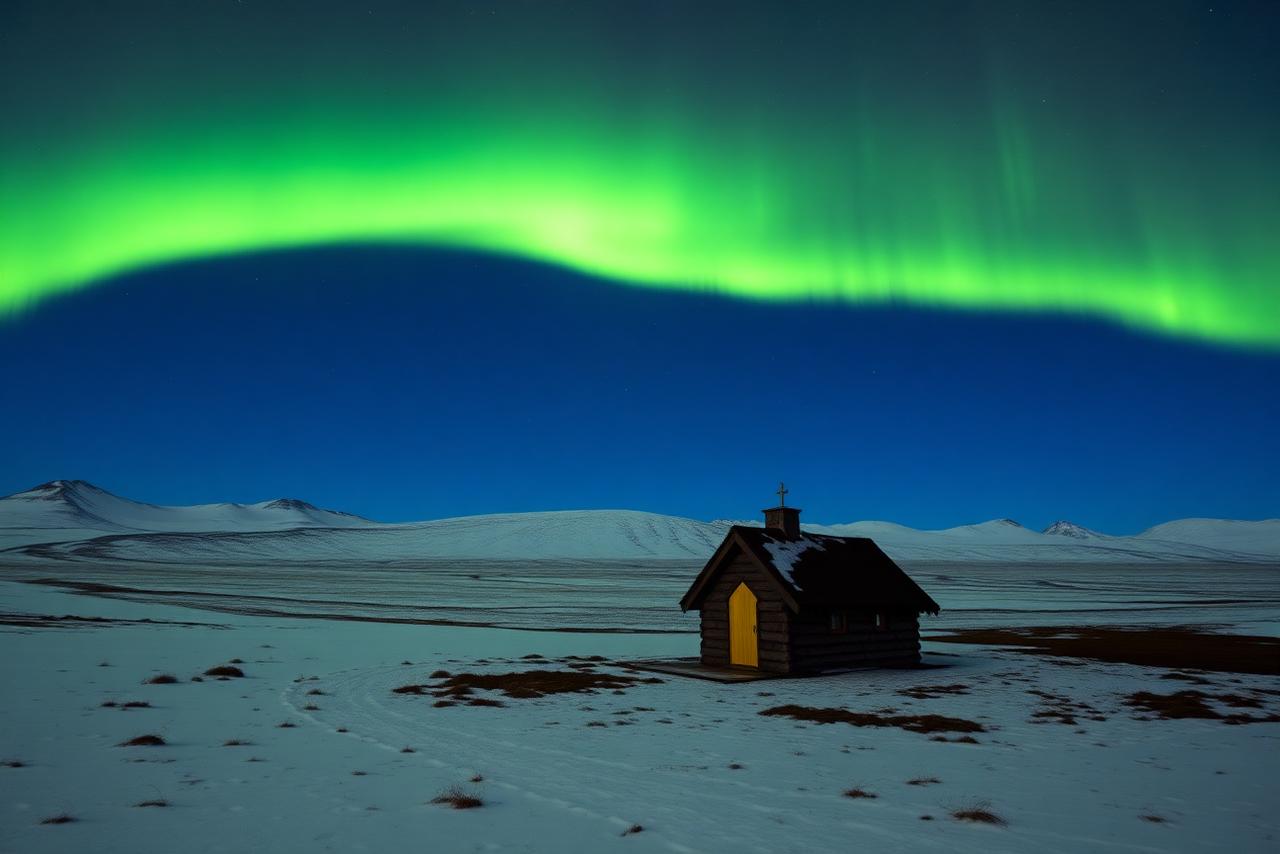
Aurora season runs from September to March. The best displays happen on clear, dark nights away from city lights. Use a forecast app like Aurora or Vedur to chase them.
Snæfellsnes Peninsula
Often called 'Iceland in miniature' — it packs a glacier, lava fields, fishing villages, and Kirkjufell, the country's most photographed mountain, into a single day trip.
North Iceland & Mývatn
Akureyri, Goðafoss waterfall, the geothermal lake at Mývatn, and the steaming Námaskarð mud pools. Add whale watching in Húsavík for a full northern circuit.
Glacier hiking & ice caves
Guided walks on Falljökull or Sólheimajökull run year-round. Crystal-blue ice caves in Vatnajökull are only accessible mid-November to March.
Iceland in pictures
Average temperatures in Iceland
Reykjavík — cool year-round, long summer daylight.
| Month | Jan | Feb | Mar | Apr | May | Jun | Jul | Aug | Sep | Oct | Nov | Dec |
|---|---|---|---|---|---|---|---|---|---|---|---|---|
| High | 3° / 37°F | 3° / 37°F | 4° / 39°F | 6° / 43°F | 10° / 50°F | 12° / 54°F | 14° / 57°F | 14° / 57°F | 11° / 52°F | 7° / 45°F | 4° / 39°F | 3° / 37°F |
| Low | -2° / 28°F | -2° / 28°F | -1° / 30°F | 1° / 34°F | 4° / 39°F | 7° / 45°F | 9° / 48°F | 8° / 46°F | 6° / 43°F | 2° / 36°F | -1° / 30°F | -2° / 28°F |
Temperatures shown in °C (with °F). Averages based on long-term climate normals for the country's main hub.
Sample itinerary
- Day 1: Reykjavík — land at KEF, collect your rental car, check into the city, and wind down at Sky Lagoon or a local geothermal pool. Dinner at the Old Harbor.
- Day 2: Golden Circle — Þingvellir, Geysir, Gullfoss, then a late afternoon or evening soak at the Blue Lagoon (timed entry essential).
- Day 3: South Coast — Seljalandsfoss, Skógafoss, Reynisfjara black beach, and sleep in Vík. Stop at the DC-3 plane wreck on Sólheimasandur if you want a long walk.
- Day 4: Glacier country — glacier hike on Falljökull or a winter ice-cave tour, then continue to Jökulsárlón and Diamond Beach. Stay in Höfn for langoustine dinner.
- Day 5: Return toward Reykjavík via the Eldhraun lava field, Fjaðrárgljúfur canyon, and more waterfall stops. Or fly north from Höfn to Akureyri for a second week.
- Day 6: Reykjavík or Snæfellsnes — explore the capital's museums, street art, and cafés, or take a day trip to Kirkjufell and the seal colony at Ytri Tunga.
- Day 7: Final morning at a geothermal pool, brunch, then return to KEF for your flight.
Foods to try
Getting to Iceland
Keflavík International Airport (KEF) is Iceland's main gateway, about 50 minutes southwest of Reykjavík. Icelandair and PLAY both offer stopover programs between Europe and North America. The FlyBus runs to Reykjavík's BSI terminal and can drop at major hotels. Rental car desks are inside the terminal; book in summer and winter peak periods well ahead. Domestic flights with Air Iceland Connect link Reykjavík to Akureyri in the north.
Getting around
Rental car
The default way to explore. A standard 2WD is enough for the Ring Road and Golden Circle in summer. For F-roads (highland interior), river crossings, or winter travel, you need a 4WD.
Campervan
A popular choice for summer Ring Road trips. Campsites are well distributed, and you save on hotels, but winter campervanning is only for the experienced.
Bus tours
Reykjavík Excursions, Gray Line, and smaller operators cover the Golden Circle, South Coast, and Northern Lights. Good if you don't want to drive or visit in winter.
Domestic flights
Air Iceland Connect flies Reykjavík to Akureyri in ~45 minutes. This is the easiest way to add North Iceland without a long winter drive.
Public buses (Strætó)
Limited outside the capital and slow. Useful mainly for Reykjavík local travel or budget trips with lots of time.
Where to stay
Reykjavík — Downtown (101)
The best base for your first or last night. Walking distance to Hallgrímskirkja, the Old Harbor, restaurants, and bars.
Reykjavík — Grandi / Old Harbor
Quieter than downtown, close to museums, the whale-watching marina, and good seafood restaurants.
Vík
Halfway down the South Coast — ideal for Reynisfjara, glacier hikes, and Dyrhólaey. A small town with limited hotels, so book early.
Höfn
Gateway to Jökulsárlón and Vatnajökull ice caves. Famous for langoustine and a peaceful fjord setting.
Akureyri
The 'Capital of the North' — a charming base for Mývatn, Goðafoss, whale watching, and the Diamond Circle.
Snæfellsnes peninsula
Small guesthouses in Arnarstapi, Hellnar, or Grundarfjörður (near Kirkjufell) for a slower, nature-focused stay.
Daily budget guide
Budget
$120–180
Hostels, campervan or shared rental car, supermarket meals, free hot springs, and self-guided sightseeing.
Mid-range
$250–400
Guesthouses, rental car, one paid tour or lagoon visit per day, and a mix of cooking and restaurant meals.
Luxury
$600+
Boutique hotels, private glacier hikes, ice-cave tours, Blue Lagoon Retreat, helicopter tours, and fine dining.
Rough per-person, per-day estimates excluding flights.
When to go
Summer (Jun–Aug)
Long days, green moss, blooming lupines, puffins, and open highland F-roads. Peak prices and crowds. Book early.
Shoulder (Apr–May, Sep)
Quiver roads, fewer tourists, lower prices, and still-good weather. Highlands may be closed in early spring.
Aurora season (Sep–Mar)
Dark nights bring Northern Lights, ice caves, and snow-covered landscapes. Driving requires more caution and a 4WD further from the capital.
Winter (Nov–Feb)
Short days, storms, and the most magical conditions. Some highland roads and parts of the Ring Road can close; always check road.is.
Culture & etiquette
- Shower nude and thoroughly before entering any public pool, hot pot, or lagoon — it's non-negotiable and monitored.
- Never walk on moss — it takes decades to regrow and the damage is visible for years.
- Stay on marked paths at waterfalls and canyons; rescue operations are expensive and dangerous.
- Off-road driving is illegal and heavily fined. Only drive on marked roads and F-roads when open.
- Tipping isn't expected at restaurants, taxis, or tours; prices include service.
- Be quiet and respectful at Northern Lights viewing spots — people are often trying to photograph long exposures.
Safety & health
- Iceland's biggest safety risk is the weather and landscape, not crime. Read SafeTravel.is before heading out.
- Check road.is and en.vedur.is every morning in winter or remote areas; conditions change quickly.
- Never turn your back on the ocean at Reynisfjara and other black beaches; sneaker waves can pull you in.
- Keep a full tank, snacks, and warm clothes in the car even on short day trips.
- F-roads are only for 4WD vehicles and are closed outside summer; river crossings are genuinely dangerous.
- The 112 Iceland app can send your location to emergency services even without a phone signal.
- Tap water is safe to drink everywhere; hot spring water from taps is usually geothermal-heated and can smell of sulfur.
What to pack
Useful phrases
| Góðan daginn | Good day / hello |
| Takk fyrir | Thank you |
| Já / Nei | Yes / No |
| Hvar er...? | Where is...? |
| Einn pylsur, takk | One hot dog, please |
| Ensku talar þú? | Do you speak English? |
| Góða nótt | Good night |
Frequently asked questions
How many days do you need in Iceland?
5–7 days is enough for Reykjavík, the Golden Circle, and South Coast. 10–14 days lets you drive the full Ring Road or add the north and Westfjords. 3–4 days works for a focused winter Northern Lights + Blue Lagoon break.
When can you see the Northern Lights?
Aurora season is September to March. You need darkness, clear skies, and solar activity. Late September and March are popular because the roads are still manageable.
Is Iceland expensive?
Yes — Iceland is one of the priciest countries to visit. Save money by cooking your own meals from Bónus or Krónan, drinking tap water, skipping rental-car extras you don't need, and swimming in free town hot pots instead of expensive lagoons.
Can you drive Iceland in winter?
The South Coast and Golden Circle are usually doable with a regular car in good conditions, but you should still check road.is and vedur.is daily. A 4WD is recommended for winter travel further north or east, and some roads can close for days.
Do I need a 4WD in Iceland?
For the main Ring Road and Golden Circle in summer, a 2WD is fine. You need a 4WD for F-roads (highlands), river crossings, and most winter driving outside the capital area.
What should I wear in Iceland?
Layers, waterproof everything, and sturdy hiking boots. The weather can shift from calm to horizontal rain in minutes. A swimsuit is essential for the pools.
Can I drink the tap water?
Absolutely — Icelandic tap water is glacier-filtered and among the cleanest in the world. The sulfur smell from hot taps is from geothermal heating, not the cold water.
Is the Blue Lagoon worth it?
It's iconic, expensive, and needs advance booking. Sky Lagoon is a strong alternative with an ocean view and fewer crowds. For free alternatives, try local geothermal pools in almost any town.
Travel tips
- Book rental cars, accommodation, and Blue Lagoon entries months ahead for June–August.
- Weather changes fast — pack waterproof layers and sturdy, waterproof hiking boots.
- Gas stations are sparse in the north and east; fill up whenever the tank drops below half.
- Download the 112 Iceland app before leaving Reykjavík; it can text your location to emergency services.
- Tap water is some of the cleanest in the world — bring a reusable bottle and skip the bottled water.
- Free geothermal pools and hot pots exist in almost every town; ask locals for their favorite 'svimmi'.
- Supermarkets like Bónus and Krónan are the best budget hack; restaurants are expensive.
- Road.is and Vedur.is are the two sites you should check every morning in winter or remote areas.
- The midnight sun in June means you can sightsee late, but it also makes sleep tricky — bring a sleep mask.
- Drone rules are strict near national parks and bird cliffs; check regulations before flying.
Ready-made Iceland itineraries
Day-by-day plans you can copy into haienaplan and tweak to your dates.
Ready to plan your Iceland adventure?
Build your itinerary, budget, and packing list in one place — free for your first trip.
Start planning free